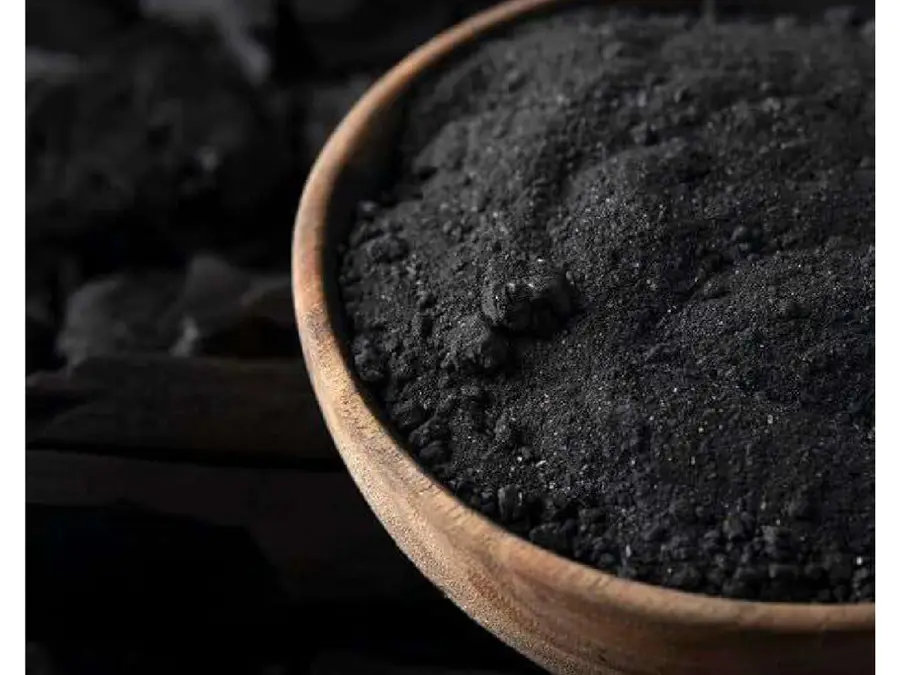
Powdered activated carbon, also sold as activated charcoal powder, is the right choice when you can dose carbon straight into your process and let it work fast, rather than running everything through a fixed bed. It is a fine carbon, ground to a flour, that you add to a liquid, mix, let it adsorb quickly, and then settle or filter out. If your problem comes and goes, or you need carbon in a tank you already have, powder usually wins. If you need continuous, year-round treatment, a granular bed is the better tool. The decision really is that clean.
GAC and PAC: the real difference
Both are activated carbon with the same internal pore chemistry. The difference is particle size, and size changes everything about how you use them. Granular carbon comes in grains you can see, typically sized in meshes like 8x16 or 12x40, and it sits in a column while water flows through for months before replacement. Powdered carbon is ground much finer, ours to 200 to 325 mesh, and that fineness is the point. A smaller particle has a shorter distance for molecules to travel into it, so powder adsorbs much faster, often in minutes rather than the long contact a bed needs.
The trade off is reuse. Granular carbon stays put and can be regenerated and run again. Powder is dosed in, does its job, and goes out with the sludge. So you choose by the shape of your problem. Continuous duty and the economics of regeneration favour granular. Intermittent duty, speed, and using existing tankage favour powder.
Where powder wins
- Seasonal taste and odour spikes in drinking water, where you dose carbon for a few weeks during an algal bloom rather than install a permanent bed.
- Decolourising sugar syrups, glucose, edible oils and other liquids in food processing, where powder is mixed in and filtered out.
- Effluent and wastewater polishing, dosing carbon to knock down a load before discharge.
- Pharmaceutical and fine-chemical purification, where a batch needs cleaning once.
- Any plant that already has mixing and settling tanks and does not want to build a new carbon column.
Notice the pattern. Powder suits the one-off, the seasonal and the batch. A seasonal taste event is the classic case: a granular bed sized for the worst few weeks of the year sits underused the rest of it, while a dosing system handles the same spike for a fraction of the commitment. The deeper discussion of bed versus dose lives in the water treatment guide.
Methylene blue, not just iodine
Granular carbon is usually specified on iodine number, which tracks the small pores. Powder is often specified on a second figure as well, the methylene blue value. Methylene blue is a much larger molecule than iodine, so how much of it a carbon adsorbs tells you about the medium-sized pores, the ones that matter for decolourisation and for catching the bigger organic molecules powder is often asked to remove. A good decolourising powder needs that larger-pore capacity, not just a high iodine figure. If you are buying powder to pull colour out of a syrup, methylene blue is the number to read, while iodine still matters for smaller-molecule duty. The full treatment of iodine as a spec is in the water treatment guide; for powder, think of methylene blue as its companion figure.
Handling powder is its own skill
Powder is not just small granular carbon, it behaves differently and you plan for that. It is dusty, so it is usually handled as a slurry, pre-wetted into a dosing tank and metered into the process as a controlled suspension rather than thrown in dry. The dosing rate is dialled to the load, enough carbon to hit the target without wasting it, and contact and mixing time are kept long enough for the fast adsorption to actually happen before the carbon is separated out. None of this is difficult, but it is different from loading a bed and forgetting about it, and a supplier who makes powder regularly can tell you how to dose their grade rather than leaving you to guess.
The grades we produce
We make powdered carbon from coal and wood, because the right feedstock depends on the duty. Wood based powder brings a very open pore structure and strong decolourising power for sugar and similar liquids. Coal based powder is a dependable choice for effluent and industrial purification. Fineness runs from 200 to 325 mesh, finer where fast adsorption and easy dispersion matter. Tell us the liquid, the molecule and whether you are chasing colour or a small contaminant, and the raw material and fineness follow.
Finding the right dose: the jar test
The question every powder user asks first is how much to add, and the honest answer is that you measure it rather than guess. The standard bench method is a jar test. Take several samples of your water or liquid, add a different, known dose of powdered carbon to each, mix for a set contact time, filter, and measure the result, whether that is residual odour, colour or a target contaminant. Plot dose against result and you find the point where more carbon stops buying much improvement. That is your working dose. It takes an afternoon and it saves you from the two expensive mistakes: underdosing and letting contaminant through, or overdosing and paying for carbon that settles out unused.
The dose you land on is specific to that liquid. Change the feed, the season or the contaminant and you run the test again. A supplier who makes powder can usually hand you a sensible starting dose for their grade on a typical duty, which shortens the search, but the jar test on your own material is what pins it down.
Storing powder so it stays useful
Powdered carbon is thirsty and absorbent by nature, which cuts both ways in the warehouse. Left open it picks up moisture from humid air, pre-loading its pores before it ever reaches your process, and it will happily adsorb odours from whatever it is stored beside. Keep it sealed, dry and away from strong-smelling materials, and use older stock first. Damp or tainted powder does not dose cleanly and gives you less capacity than the bag promises. None of this is demanding, it just has to be deliberate, because the same hunger that makes powder useful makes it vulnerable sitting in an open sack.
Frequently asked questions
What is the difference between powdered and granular activated carbon?
Particle size and how you use them. Powder is ground fine, dosed into a liquid for fast one-time adsorption, then filtered out. Granular carbon is coarser, sits in a fixed bed for continuous treatment, and can be regenerated.
When should I use PAC instead of GAC?
Use powder for intermittent or seasonal loads, batch decolourisation, and when you want to dose into existing tanks. Use granular for steady, continuous treatment where a fixed bed and regeneration make sense.
Powder is the carbon you reach for when the problem is a spike, a batch or a colour rather than a constant flow. Dose it, mix it, pull it out, done. Choose the feedstock for the molecule, read methylene blue alongside iodine, and plan the dosing properly, and a bag of what looks like black flour will clean a liquid faster than a bed ever could.

Need help choosing a grade?
Tell us your specification and we will match the right material and share a quote.